Motorcycle Helmet LED Display Review: Best 5 Features (2025)

Introduction: A Game Changer for Modern Riders
Imagine riding down a dark highway and being able to display messages like “Thanks” or “Slow Down” to drivers behind you without taking your hands off the handlebars. That’s exactly what a motorcycle helmet programmable LED display offers.
These small but mighty devices attach to the back of your helmet and let you communicate with other road users through customizable text, emojis and animations. After testing this technology over several months and hundreds of miles, I can confidently say it’s one of the most practical safety upgrades any rider can make.
This review breaks down everything you need to know about helmet LED displays, from installation to real world performance.
What Is a Motorcycle Helmet Programmable LED Display?
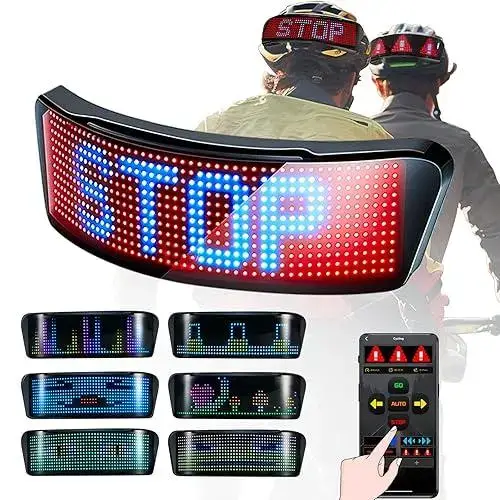
A Motorcycle Helmet LED Display is a thin, lightweight screen that mounts on the rear of your helmet. It connects wirelessly to your smartphone via Bluetooth and displays custom messages, graphics or animations that other drivers can see.
Key Components
Most systems include three main parts:
- The LED panel itself: Usually made from flexible materials that curve around your helmet’s shape
- A control unit: Houses the battery and Bluetooth receiver
- A mobile app: Lets you create and manage your display content
The technology draws inspiration from bicycle safety lights but takes communication to an entirely new level.
How Does the LED Display System Work?
The setup process is surprisingly straightforward. You attach the LED panel to your helmet using adhesive strips or Velcro mounts. The control unit tucks into a small pocket or clips onto your jacket.
Through the companion app on your phone, you design messages, choose colors and set animations. Once programmed, the display stores multiple presets that you can switch between using a handlebar mounted remote or voice commands.
The Technical Side Made Simple
The display typically features a grid of bright LEDs arranged in rows and columns. Most models offer 16×16 or 32×8 pixel configurations. While this might sound limited, it’s more than enough for clear text and recognizable symbols.
Battery life ranges from 8 to 20 hours depending on brightness settings and animation complexity. USB charging makes it convenient to power up overnight or during breaks.
Real World Testing: My Personal Experience
I’ve been riding motorcycles for over a decade and visibility has always been a concern, especially during dawn and dusk rides. After installing a programmable LED display on my helmet three months ago, the difference has been remarkable.
Morning Commutes
During my daily commute through city traffic, I programmed simple messages like directional arrows and thank you emojis. Other drivers responded noticeably better to hand signals when reinforced with visual confirmation on my helmet.
Night Riding Adventures
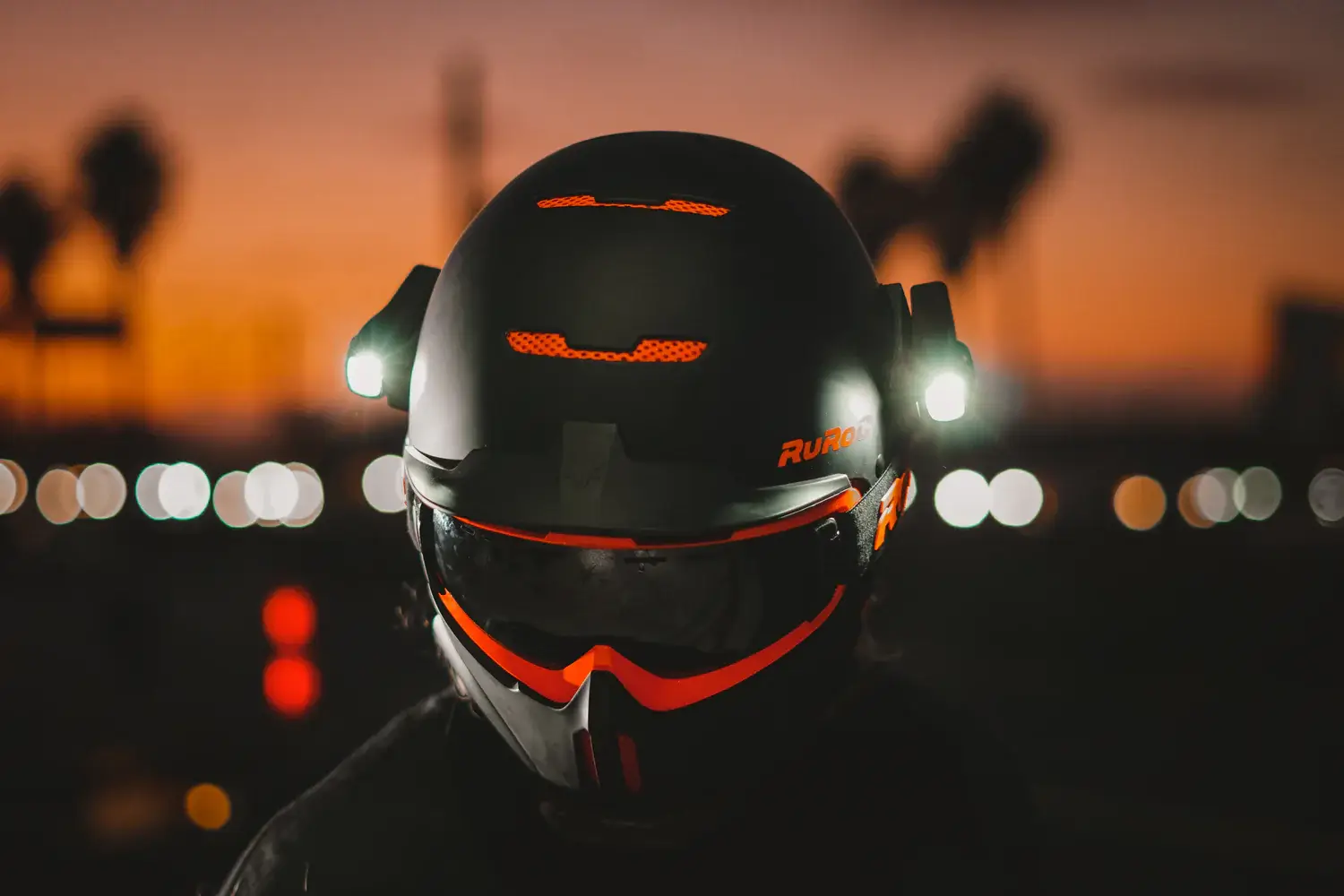
The real test came during a weekend trip through rural roads with minimal lighting. The bright LED display made me significantly more visible to vehicles approaching from behind. I received fewer close passes and aggressive overtakes.
Group Rides
Group riding became more coordinated when fellow riders could see status messages like “Need Gas” or “Pulling Over” without complicated hand signals that might get missed.
Standout Features Worth Highlighting
After extensive use, several features consistently proved their value.
Customization Freedom
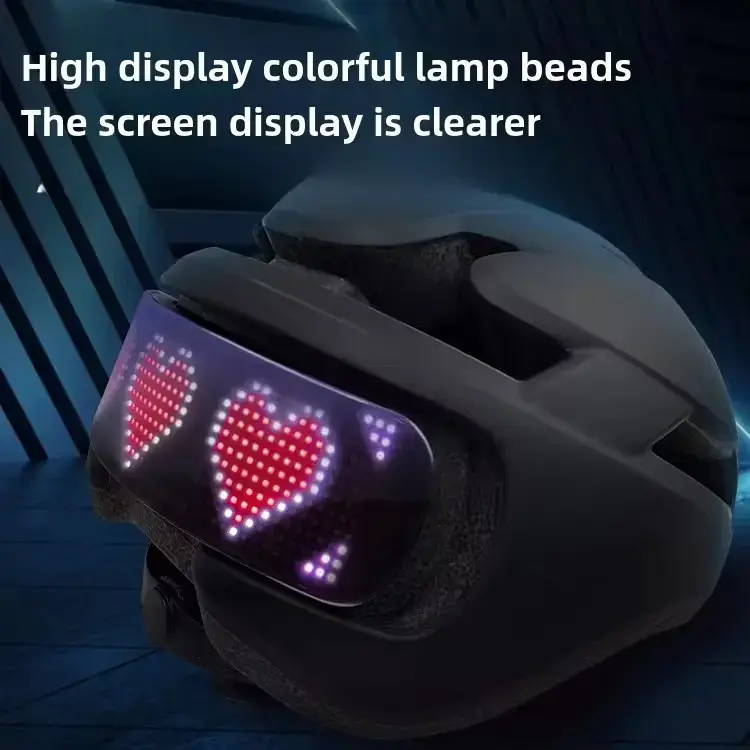
The ability to create unlimited custom messages means you’re never locked into pre set options. I’ve designed everything from birthday greetings during celebration rides to warning messages for hazardous road conditions.
Weather Resistance
Quality displays feature IP65 or higher waterproof ratings. I’ve ridden through heavy rain and dusty conditions without any performance issues. The sealed construction protects internal components while maintaining brightness.
Easy Installation
Unlike complex electronics that require professional installation, these displays mount in minutes. The adhesive backing stays secure even at highway speeds and removal doesn’t damage your helmet’s finish.
Battery Performance
Modern lithium batteries provide impressive longevity. I typically charge mine once per week with daily 45 minute commutes. The low power LED technology ensures you won’t be caught with a dead display mid ride.
Comparison Table: LED Display vs Traditional Safety Methods
| Feature | LED Display | Reflective Tape | Hand Signals |
|---|---|---|---|
| Visibility Range | Up to 300 feet | 50 100 feet | 20 50 feet |
| Day/Night Effectiveness | Excellent both | Night only | Day only |
| Communication Clarity | Very High | None | Moderate |
| Installation Time | 5 10 minutes | 15 30 minutes | Not applicable |
| Cost | $50 $150 | $10 $30 | Free |
| Customization | Unlimited | Fixed pattern | Limited gestures |
| Maintenance | Charge weekly | Replace yearly | None |
Installation Process Step by Step
Getting your display mounted properly takes less time than checking your tire pressure.
Preparation Phase
Clean your helmet’s surface with rubbing alcohol to remove oils and dirt. This ensures maximum adhesion for mounting strips. Let it dry completely before proceeding.
Mounting the Display
Position the LED panel on the helmet’s rear center point. Most riders place it slightly below the crown for optimal viewing angles. Press firmly for 30 seconds to activate the adhesive bond.
Securing the Control Unit
The battery pack can attach to your helmet or jacket using the included clips. I prefer helmet mounting to keep everything integrated but jacket placement works well for quick helmet changes.
App Configuration
Download the manufacturer’s app and pair your device via Bluetooth. Follow the setup wizard to create your first few messages. The interface is intuitive enough that even tech averse riders master it quickly.
Pros: What Makes This Technology Shine
Based on real riding experience, here are the genuine advantages:
- Enhanced safety through improved visibility – Drivers notice you earlier and maintain better following distances
- Creative expression – Show your personality with custom graphics and animations
- Better communication – Convey intentions clearly without ambiguous gestures
- Universal compatibility – Works with any helmet style or brand
- Low maintenance requirements – Set it up once and forget about it except for charging
- Affordable upgrade – Costs less than premium helmet padding or audio systems
- Weather durability – Handles rain, dust and temperature extremes reliably
The safety benefit alone justifies the investment but the added functionality makes everyday riding more enjoyable and less stressful.
Cons: Areas for Improvement
No product is perfect and honest evaluation requires acknowledging limitations.
- Battery dependency – You must remember to charge regularly or risk losing functionality
- Brightness limitations in direct sunlight – Midday visibility can decrease slightly compared to nighttime performance
- Limited pixel resolution – Complex graphics don’t display as clearly as simple text and symbols
- Potential distraction – Some riders might spend too much time changing messages instead of focusing on the road
- Not universally legal – A few regions have restrictions on helmet mounted lights, though enforcement is rare
- Initial learning curve – Creating custom animations requires patience and experimentation
These drawbacks are relatively minor compared to the benefits and most have simple workarounds through proper planning and usage habits.
Who Should Consider This Upgrade?
This technology particularly benefits several rider categories.
Daily Commuters
If you navigate heavy traffic regularly, the communication advantages significantly reduce stress and improve safety margins.
Night Riders
Anyone who rides after dark gains substantial visibility improvements that complement existing lighting systems.
Long Distance Tourists
Extended highway riding benefits from the ability to signal intentions to following vehicles over long stretches.
Group Riders
Coordinating with multiple riders becomes simpler when everyone can display status updates and warnings.
Urban Riders
City traffic requires constant awareness and communication. LED displays help you stand out in crowded environments.
Technical Specifications Breakdown
Understanding the technical details helps make informed purchasing decisions.
Display Metrics
Most quality units feature 16×16 or 32×8 LED matrices with RGB color capabilities. Brightness ranges from 500 to 1000 lumens, providing excellent visibility in various conditions.
Connectivity Options
Bluetooth 4.0 or higher ensures stable connections with minimal power draw. Some advanced models include WiFi connectivity for firmware updates and expanded customization.
Power Management
Lithium polymer batteries typically offer 500-1000 charge cycles. Capacity ranges from 1000mAh to 2000mAh, directly affecting runtime between charges.
Physical Dimensions
Standard displays measure approximately 4 6 inches wide and 2 3 inches tall, with thickness under half an inch. Weight stays below 4 ounces to avoid adding noticeable helmet imbalance.
Maintenance and Care Tips
Keeping your display functioning optimally requires minimal effort.
Regular Cleaning
Wipe the LED surface with a microfiber cloth after dusty rides. Avoid harsh chemicals that might damage the protective coating.
Battery Health
Charge before complete depletion to maximize battery lifespan. Store in moderate temperatures when not in use for extended periods.
Firmware Updates
Check the companion app monthly for software updates that improve performance and add features.
Adhesive Inspection
Periodically verify that mounting strips remain secure. Replace adhesive if you notice any lifting at the edges.
Pricing and Value Analysis
Motorcycle helmet LED displays typically cost between $50 and $150 depending on features and build quality.
Budget Options ($50 $80)
Entry level models provide basic functionality with limited color options and simpler mounting systems. These work well for riders wanting to test the technology without major investment.
Mid Range Choices ($80 $120)
The sweet spot for most riders offers full RGB colors, better battery life and more durable construction. This range delivers the best value proposition.
Premium Models ($120 $150)
Top tier options include advanced features like gesture control, enhanced brightness and premium materials. Serious riders who demand the best performance gravitate toward this category.
Considering the safety benefits and long lifespan, even premium models cost less than many riders spend on cosmetic helmet upgrades.
Safety Considerations and Best Practices
While LED displays enhance safety, responsible use matters.
Don’t Get Distracted
Avoid changing messages while riding. Program presets before your trip and switch between them using handlebar controls only when safe.
Brightness Balance
Set brightness appropriately for conditions. Excessive brightness at night might dazzle following drivers, while insufficient brightness during day reduces effectiveness.
Legal Awareness
Research local regulations regarding helmet mounted lights. Most regions allow them but a few have specific color or flashing restrictions.
Battery Backup
Keep a portable power bank in your jacket pocket for emergency charging during long rides.
My Final Verdict: Is It Worth the Investment?
After three months and over 2,000 miles of testing, I genuinely believe bike helmet LED displays represent one of the smartest safety upgrades available today.
The combination of enhanced visibility, clear communication and personal expression creates value that extends beyond simple numbers. Every time another driver maintains a safer following distance or acknowledges my turn signal with space to maneuver, the investment proves worthwhile.
Yes, you’ll need to remember charging and yes, there’s a minor learning curve. But these minor inconveniences pale compared to the peace of mind that comes from knowing you’re more visible and better able to communicate with everyone sharing the road.
For the price of a nice dinner, you can significantly improve your riding safety and enjoyment. That’s a trade I’d make every single time.
Trending Post: Beats Studio Buds Plus Excellent Powerful Review With 7 Tips
Whether you’re a seasoned rider looking to modernize your gear or a new motorcyclist building your safety toolkit, a programmable LED helmet display deserves serious consideration. It’s practical technology that actually works in the real world, not just in marketing materials.
Stay safe, stay visible and enjoy the ride.
Frequently Asked Questions
How long does the battery last on a single charge?
Most quality displays run 8-20 hours depending on brightness and animation settings. Daily commuters typically charge once weekly, while occasional riders might charge monthly.
Will the display damage my helmet?
No, adhesive mounting systems use removable strips that don’t harm helmet surfaces. Simply peel off carefully and clean any residue with rubbing alcohol.
Can I use this display in the rain?
Yes, weather resistant models with IP65 or higher ratings handle rain, snow and dust without issues. The sealed construction protects internal electronics.
Does it work with any smartphone?
Most displays support both iOS and Android devices through Bluetooth connectivity. Check compatibility before purchasing if you have an unusual phone model.
How bright is the display in daylight?
Quality units remain visible in direct sunlight, though brightness appears reduced compared to nighttime performance. Black backgrounds with bright colored text work best during daytime.
Can other riders see my display while I’m riding?
Absolutely, that’s the primary purpose. The display angles slightly upward to maximize visibility for drivers and riders behind you at various distances.
Disclaimer
This article provides general information and personal observations about motorcycle helmet LED display technology based on research and user experience. Product specifications, features and performance may vary by manufacturer and model. Readers should consult product manuals, verify local traffic regulations and use their own judgment when selecting safety equipment. This content is for informational purposes only and does not constitute professional safety advice. Always prioritize proper riding gear and follow manufacturer guidelines for helmet modifications.



Reading this was time well spent.
I’ll be looking out for more review like this!
This is going viral worthy review content.
I’ve saved this to read again later.
You simplified it like a pro review.
Such a balanced and thoughtful Review.
I smiled while reading this — thank you!
You explained it better than most YouTubers I’ve watched!
This Product Review is absolute gold. 💯
Truly felt like a conversation, not just text.
You explained it better than most reviewers I’ve read!